
HPV Vaccination Philippines Drive (Updated 2026)
Protect Yourself. Protect Your Future.
Our HPV Vaccination Philippines Drive continues—focused on one goal:
👉 Prevent cervical cancer before it starts.
Following our recent screening activities, several individuals were identified with early findings—reinforcing one clear message:
👉 Prevention cannot wait.
Who Should Get Vaccinated
This drive is open to:
- Individuals who missed the screening
- Those too young for screening
- Women who want added protection
- Parents seeking protection for their children (ages 9 and above)
👉 Even without symptoms, HPV infection can already be present.

HPV Vaccination Philippines Drive: Protect Yourself from HPV-Related Cancers
Cervical cancer is one of the few cancers that can be prevented—yet it continues to affect thousands of Filipino women every year.
But cervical cancer is only part of the story.
👉 The Human Papillomavirus (HPV) is responsible not only for cervical cancer, but also for other HPV-related cancers, including:
-
- throat (oropharyngeal) cancer
- anal cancer
- penile cancer
- vaginal and vulvar cancers
HPV is a very common infection. Most people will be exposed at some point in their lives—often without knowing it.
In many cases, HPV causes no symptoms, especially in the early stages. However, persistent infection with high-risk HPV types can slowly lead to cancer over time.
👉 This is why prevention is critical.
Through HPV vaccination, protection begins before infection occurs.
HPV Is NOT Just Cervical Cancer
HPV is not limited to cervical cancer.
It is also linked to cancers of the throat, anus, and genital areas—conditions that affect both women and men.
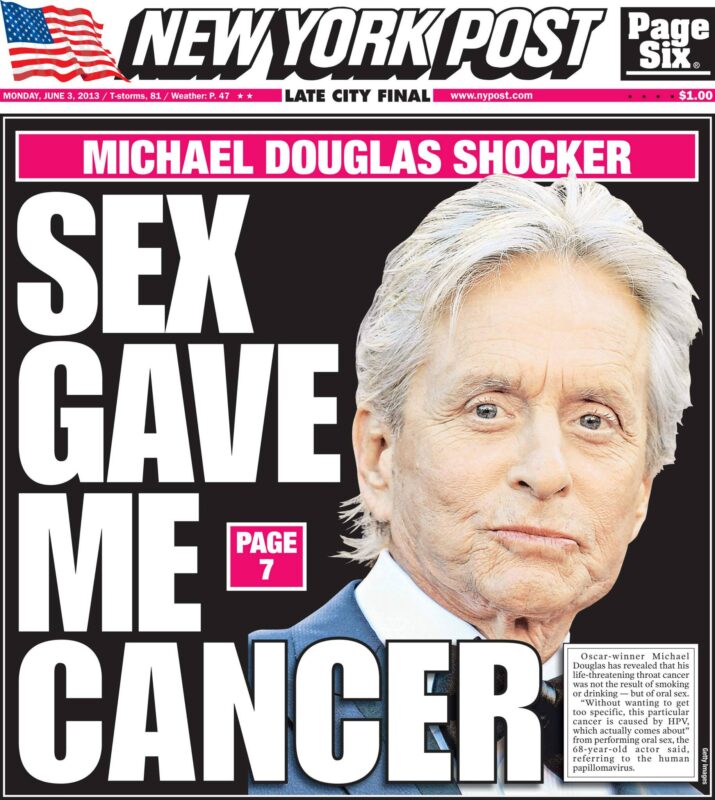
One well-known case is Michael Douglas, who publicly shared that his throat cancer was associated with HPV infection.
His case highlights an important reality:
👉 HPV can be transmitted through intimate skin-to-skin contact, including oral contact
👉 It can affect areas beyond the cervix
👉 And it often develops without early symptoms
Like many HPV-related cancers, his condition was detected only after symptoms appeared—reinforcing the importance of early prevention rather than late detection
👉 HPV does not choose gender or organ—it affects both men and women, often silently.
Why HPV Vaccination Matters in the Philippines
In the Philippines, screening rates remain low, and many women are diagnosed only when the disease is already advanced.
Every day, around 12 Filipino women die from cervical cancer—a largely preventable disease.
Vaccination provides an opportunity to change this outcome—not only for cervical cancer, but for multiple HPV-related cancers.
Why HPV 9 (Gardasil 9) Is Important – NOT Gardasil 4, NOT Cervarix – Read Dr. Bogs Rivera Recommendation.
There are many types of HPV, but only some are considered high-risk for cancer.
Recent Philippine data has shown that HPV type 52 is among the most common strains found locally.
👉 This is important because not all vaccines cover this type.
The 9-valent HPV vaccine (HPV 9) protects against:
- 7 high-risk cancer-causing HPV types
- 2 types that cause genital warts
👉 This broader protection makes it particularly relevant in the Philippine setting.
What is HPV Vaccination?
HPV vaccination is designed to protect against infection from high-risk HPV types before exposure.
It works by helping the body develop immunity against the virus—reducing the risk of developing HPV-related cancers later in life.
👉 The vaccine prevents infection, but it does not treat existing HPV.
This is why early vaccination is strongly recommended.
What is the HPV Vaccine?
The HPV vaccine protects against the Human Papillomavirus, a virus that spreads through intimate skin-to-skin contact.
- Most people will be exposed at some point
- Infection is often silent and without symptoms
- Some HPV types can lead to cancer over time
👉 Vaccination builds protection before exposure, reducing long-term risk.
Who Should Get the HPV Vaccine?
HPV vaccination is recommended for:
- Girls and young women
- Boys and young men (to reduce transmission and prevent HPV-related cancers)
- Individuals who have not yet been vaccinated
Even if you are already sexually active:
👉 Vaccination may still offer protection against HPV types you have not yet encountered.
Recommended Age Groups
- Ages 9–14 → Best time for vaccination (before exposure)
- Ages 15–26 → Strongly recommended
- Ages 27 and above → May still benefit (consult your doctor)
👉 The earlier the vaccination is given, the greater the protective benefit.
HPV Vaccine FAQs (Philippines Guide)
How much is HPV vaccine in the Philippines?
When the Gardasil 9 was first introduced in the Philippines around 2017, the cost ranged between ₱9,000 to ₱12,000 per dose. At that time, distribution was limited and demand was low, which contributed to higher pricing.
Today, the landscape has changed.
With wider availability through clinics and pharmacies such as Mercury Drug and Watsons, prices have become more accessible:
- Typical clinic price: ~₱7,500 per dose
- Pharmacy price: ~₱6,600 per dose
- Through CerviQ programs: ~₱6,000 per dose
This reduction reflects improved access and awareness.
A common question we hear is:
👉 “Bakit mas mura? Totoo ba ito?”
The answer is simple:
👉 The vaccine is the same—what changed is access, distribution, and demand.
Is Gardasil 9 worth it?
Yes.
Gardasil 9 protects against 9 HPV types, including those responsible for the majority of cervical cancer cases.
It provides:
- protection against high-risk cancer-causing strains
- coverage relevant to HPV types commonly found in the Philippines
👉 Protection can reach up to ~90% against cervical cancer-causing HPV types
However, an important reminder:
👉 Vaccination does not replace screening.
Women aged 25–30 years and above should still undergo regular cervical cancer screening, as there are HPV types not covered by the vaccine and infections that may have already occurred prior to vaccination.
How many doses do I need?
The number of doses depends on age:
- Ages 9–14 years:
👉 2 doses (0 and 6–12 months) - Ages 15 years and above:
👉 3 doses (0, 2, and 6 months)
For individuals who may have difficulty completing the full schedule:
👉 A single-dose approach may still offer some level of protection,
but current evidence shows that 2–3 doses provide stronger and more durable protection.
Is HPV vaccine safe?
Yes.
The HPV vaccine has been extensively studied and is widely used worldwide. It has a strong safety profile and is recommended by global health authorities.
In clinical practice and community vaccination programs, serious side effects are rare.
What are the side effects?
Most side effects are mild and temporary, including:
- pain at the injection site
- redness or swelling
- mild fever
- headache or fatigue
Some patients note that the injection may feel slightly more painful due to the thickness of the vaccine, but this usually resolves within a few minutes.
Patients are typically observed briefly after vaccination before being discharged.
Can I get vaccinated even if I’m older than 26?
Yes.
While HPV vaccination is ideally given at a younger age—before exposure to the virus—it can still be given beyond age 26.
👉 The benefit is continued protection against HPV types you may not have been exposed to.
Even for individuals who are:
- already sexually active
- previously exposed to HPV
vaccination may still provide added protection.