

Book Your Cervical Cancer Screening Philippines
Early screening can detect changes in the cervix before they become cancer.
If found early, cervical cancer is highly preventable and treatable.
In the Philippines, cervical cancer remains one of the leading causes of cancer-related deaths among women, with around 12 Filipinas dying every day. Despite this, screening rates remain very low, estimated at only 1–2%. Increasing access to screening through HPV testing, Speculoscope-Assisted VIA, Pap smear, and VIA plays a critical role in early detection and prevention.
Whether you have symptoms, a high-risk result from our questionnaire, or simply want peace of mind, cervical cancer screening is one of the best steps you can take for your health.
From HPV Infection to Cervical Cancer: Why Screening Matters
Most cervical cancers begin with infection by the Human Papillomavirus (HPV)—a very common virus that many women are exposed to at some point in their lives.
In most cases, the body is able to clear HPV naturally. However, in some women, the virus persists and slowly causes changes in the cells of the cervix.
👉 These changes usually develop very slowly—over 10 to 20 years.
During this long period:
- there are no symptoms
- the condition is not felt or noticed
- women may believe they are completely healthy
This is why cervical cancer is often called a “silent disease” in its early stages.

By the time symptoms appear—such as bleeding after intercourse, abnormal bleeding, or persistent discharge—the disease may already be in a more advanced stage.
WHY SCREENING IS THE GAME CHANGER
The good news is that this long window gives us a powerful opportunity:
👉 Screening can detect abnormal changes before they become cancer.
Through regular screening:
- early changes can be identified
- treatment can be done early
- cervical cancer can be prevented entirely
Not sure about your risk? Take our free cervical cancer risk check.
Who should get screened?
You should consider screening if you:
- are age 25 and above
- have never been screened before
- have not been screened for several years
- have symptoms such as abnormal bleeding or persistent discharge
- had a high or very high result on our risk questionnaire
- want to be proactive about your reproductive health
Important:
If you have symptoms such as bleeding after intercourse, abnormal vaginal bleeding, persistent discharge, or pelvic pain, do not wait for symptoms to worsen. Please seek medical consultation as soon as possible.

What Screening Methods Are Available?
Understanding Your Screening Options
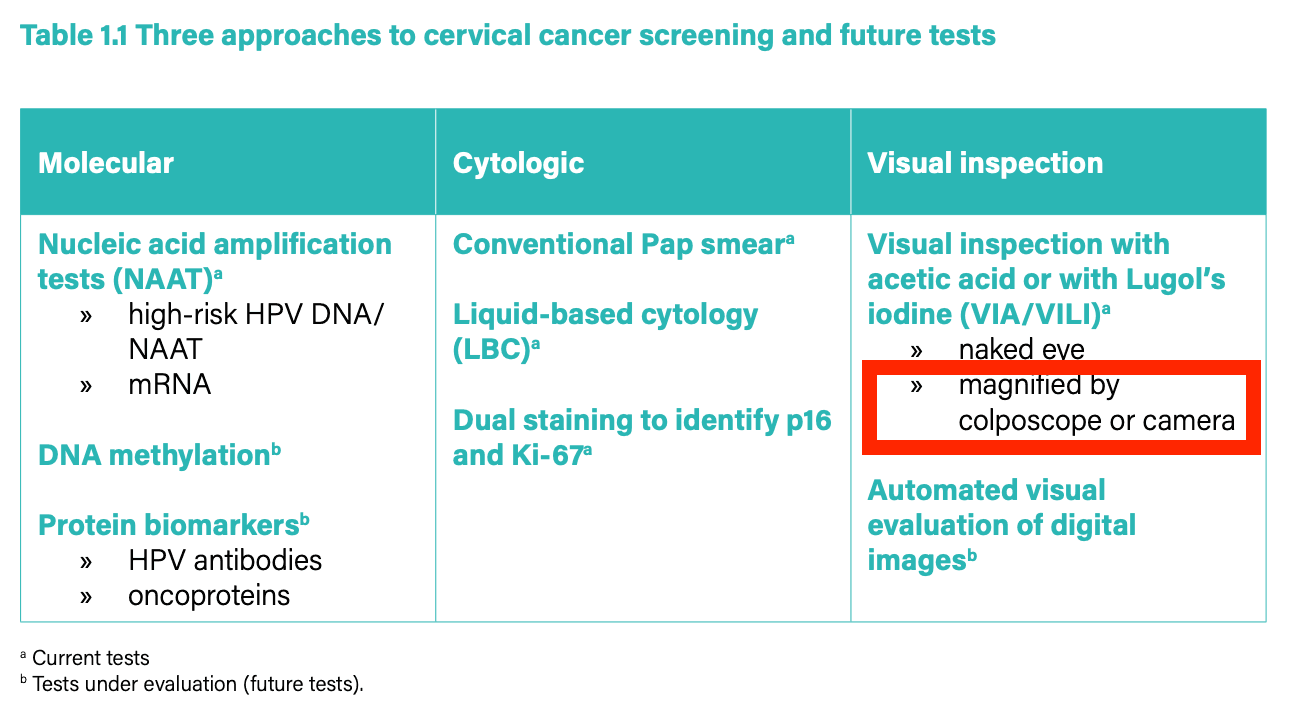
There are several ways to screen for cervical cancer. Each method has its strengths, and the best choice often depends on availability, cost, and access to care.
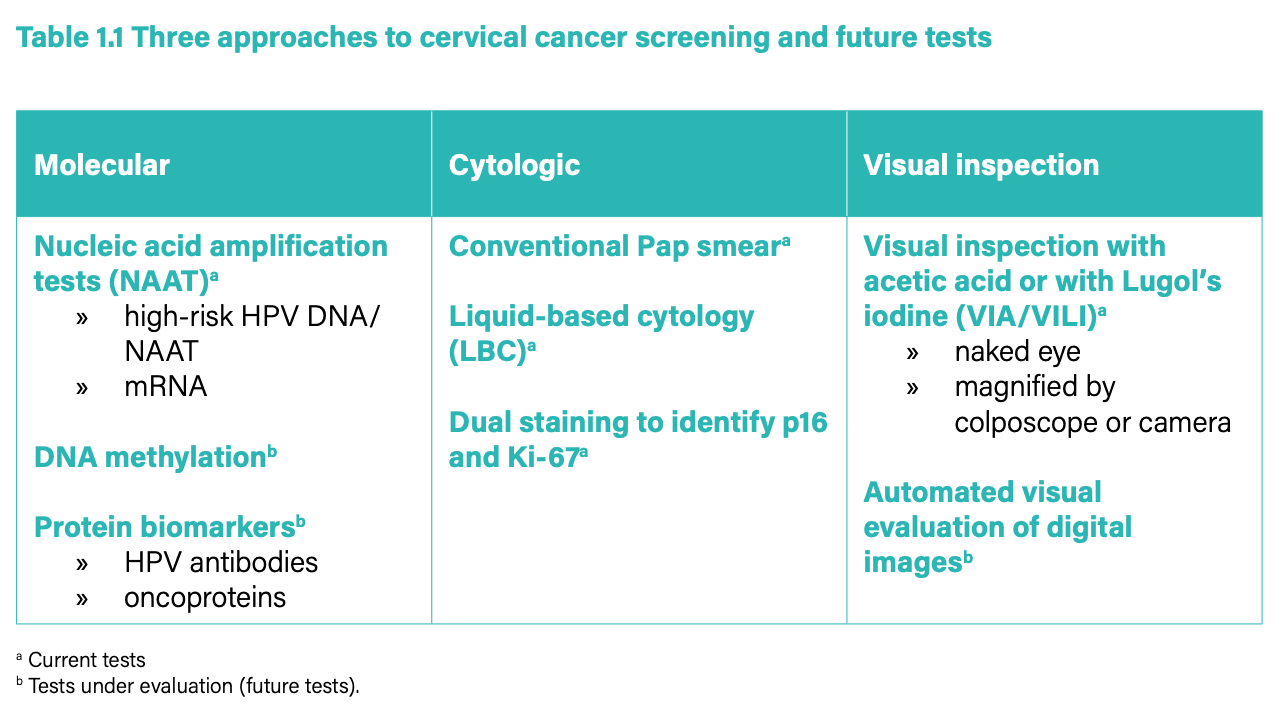
Lifted from: WHO guideline for screening and treatment of cervical pre-cancer lesions for cervical cancer prevention
HPV DNA Test
HPV DNA test detects the presence of high-risk Human Papillomavirus (HPV)—the virus responsible for most cases of cervical cancer.
Because cervical cancer is caused by persistent HPV infection, detecting the virus early helps identify women who are at higher risk of developing cervical cancer over time.
👉 Important to understand:
- Not all women who test positive for HPV will develop cancer
- In many cases, the body naturally clears the virus
- However, we cannot reliably predict who will clear the virus and who will develop persistent infection
This is why screening and follow-up are important, even after an HPV result.
👉 Key advantages:
- Very high sensitivity (can detect risk early)
- Identifies women at risk even before visible changes occur
👉 Limitations:
- Higher cost (approximately ₱6,000–₱10,000 in many settings)
- May not be widely accessible in all areas
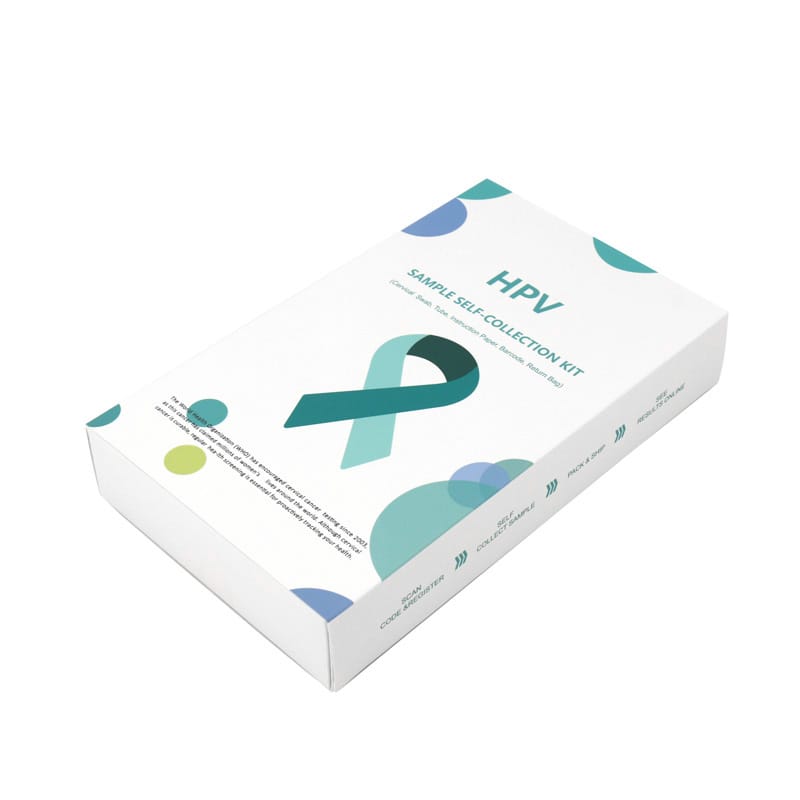
HPV-DNA Self Collection Kit Instructional Video
Pap Smear (Cytology)
A Pap smear examines cervical cells under a microscope to detect abnormal changes.
👉 Key advantages:
- High specificity (good at confirming true abnormalities)
- Long-established method with proven effectiveness
👉 Limitations:
- Lower sensitivity compared to other methods
(may miss some early changes) - Requires laboratory processing and trained cytologists
Visual Inspection with Acetic Acid (VIA)
VIA is a practical and widely used screening method, especially in community and public health settings.
During VIA, a trained healthcare provider applies acetic acid (vinegar solution) to the cervix and visually checks for areas that may indicate abnormal changes.
👉 Key advantages:
- Good sensitivity (able to detect many abnormalities)
- Immediate results
- Low cost and widely accessible
- Can support “screen-and-treat” approaches
👉 Limitations:
- Lower specificity compared to Pap smear
- Depends on the experience of the examiner
Speculoscope-Assisted VIA
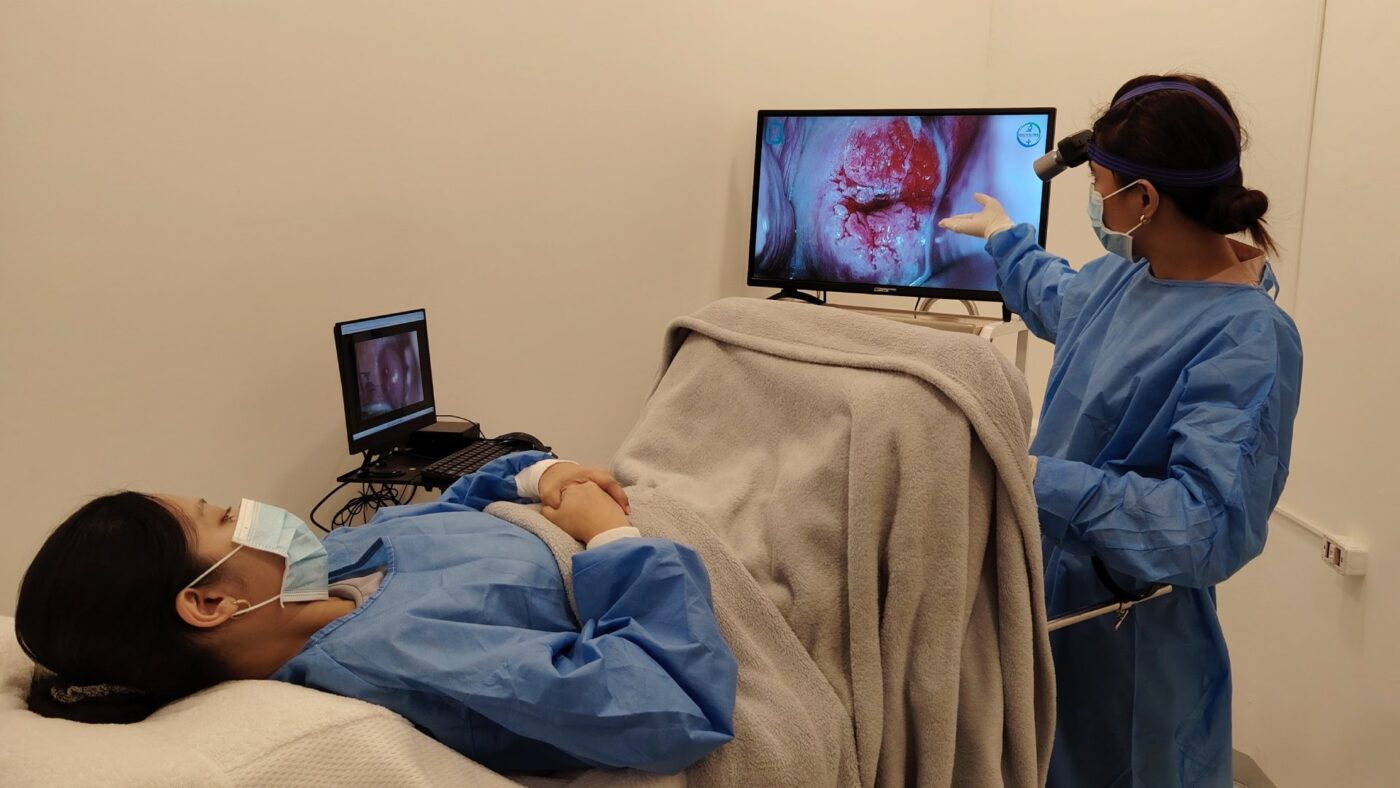
Our screening approach may include speculoscope-assisted VIA, which enhances traditional VIA through improved visualization and documentation.
This method uses a specialized scope to provide:
- Magnified view of the cervix
- Enhanced lighting and clarity
- Image capture for documentation
👉 This allows:
- clearer visualization of cervical findings
- improved consistency in assessment
- the ability to document and review findings over time
In many cases, cervical images can be securely stored—similar to how imaging is used in other areas of medicine—allowing for:
- monitoring changes over time
- comparison in future screenings
- support for expert evaluation when needed
👉 Why this matters:
We believe this approach can help strengthen VIA by combining:
- accessibility of community-based screening
- improved visualization
- potential for quality assurance and continuity of care
Technical Basis of Speculoscope-Assisted Visual Inspection with Acetic Acid – Lifted from: WHO guideline for screening and treatment of cervical pre-cancer lesions for cervical cancer prevention

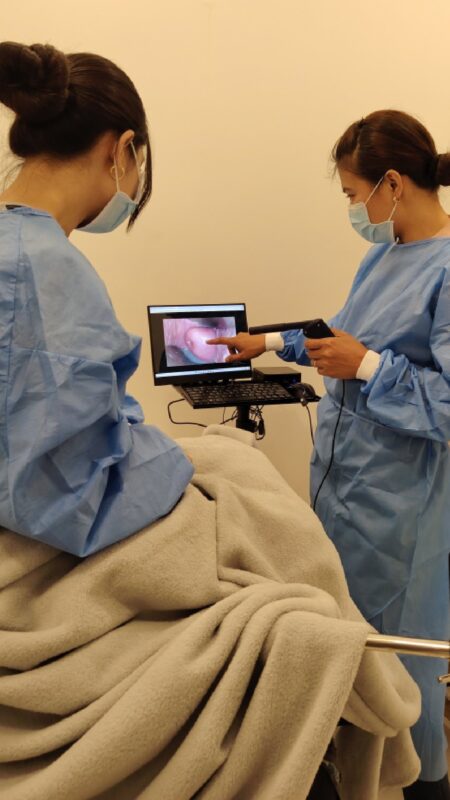
Clinicians at Jose R. Reyes Memorial Medical Center during initial engagement and demonstration of speculoscope-assisted VIA. Ongoing collaboration aims to explore its role and applicability in clinical practice and research in the Philippines.
This approach aligns with global recommendations that support the use of enhanced visual assessment and appropriate technologies to improve cervical screening.
Read More

Choosing the Right Screening Method
Each method plays an important role in cervical cancer prevention.
- HPV DNA test identifies risk early
- Pap smear helps confirm abnormalities
- VIA allows immediate and accessible screening
- Enhanced approaches like speculoscope-assisted VIA aim to improve visualization and continuity
👉 The most important step is getting screened.
💬 Key Message
“The best screening method is the one that is available to you.” — Dr. Cecilia Ladines Llave
What to Expect During Screening
Your visit may include:
- registration and basic medical history
- brief counseling about cervical cancer screening Philippines
- the screening procedure itself
- explanation of findings
- recommendations for follow-up, repeat screening, or further evaluation if needed
The screening process is usually quick. Some women may feel mild discomfort, but it is generally well tolerated.

On-site digital registration during cervical cancer screening Philippines activities, enabling real-time data capture, streamlined patient flow, and immediate linkage to screening and evaluation services.
If Your Questionnaire Result Was
“Urgent Clinical Evaluation Required”
⚠️ Do Not Delay Screening If You Have Symptoms
If you experience:
• Bleeding after intercourse
• Abnormal vaginal bleeding
• Persistent discharge
• Pelvic pain
👉 You should seek medical consultation immediately.
A result marked as urgent means you reported symptoms that may require prompt medical evaluation. This does not automatically mean cancer, but it does mean you should be assessed by a qualified healthcare provider as soon as possible.
You may need:
- cervical examination
- screening
- referral for further evaluation
- additional diagnostic tests if recommended
Why Early Action Can Save Lives
Cervical cancer is one of the few cancers that can be prevented through:
- HPV vaccination
- cervical cancer screening
- early treatment of precancerous lesions
Taking action now can help prevent more serious disease later.
Whether your goal is:
- peace of mind
- routine prevention
- evaluation of symptoms
- follow-up after a high-risk result
screening is an important next step.
Frequently Asked Questions
What are early signs of cervical cancer?
Early cervical cancer often has no symptoms, which is why screening is very important.
However, warning signs that should not be ignored include:
- Bleeding after sexual intercourse
- Abnormal vaginal bleeding (between periods or after menopause)
- Persistent vaginal discharge (especially foul-smelling or unusual in color)
- Pelvic or lower abdominal pain
⚠️ If you experience any of these symptoms, seek medical consultation immediately—even if your risk score is low.
Who should get screened for cervical cancer?
Women aged 25 to 65 years old should undergo regular cervical cancer screening.
You should prioritize screening if you:
- Have ever been sexually active
- Have never been screened before
- Have multiple sexual partners (or partner with multiple partners)
- Have symptoms such as abnormal bleeding or discharge
- Are immunocompromised (e.g., HIV, long-term illness)
In the Philippines, screening is especially important because most women are not screened regularly, leading to late diagnosis.
Is cervical cancer preventable?
Yes—cervical cancer is one of the most preventable cancers.
Prevention is possible through:
- HPV vaccination (ideally before sexual activity, but can still benefit adults)
- Regular screening (VIA, Speculoscope-Assisted VIA, HPV DNA testing, or Pap smear)
- Early treatment of pre-cancerous lesions
With proper prevention and early detection, cervical cancer can be stopped before it becomes life-threatening.
How often should I get screened for cervical cancer?
Screening frequency depends on the method used:
- Speculoscope-Assisted VIA (Visual Inspection with Acetic Acid): every 3 years
- VIA (Visual Inspection with Acetic Acid): every 3 years
- Pap smear: every 3 years
- HPV DNA test: every 5 years
Your doctor may recommend earlier or more frequent screening if:
- You have symptoms
- You had abnormal results before
- You are at higher risk
👉 If you have never been screened, the best time to start is now.
Cervical cancer is preventable—but only if detected early. If you’re unsure about your risk, start with the free risk check above and take the first step toward protecting your health.

Ready to Book Your Cervical Cancer Screening?
Take the next step toward prevention and early detection.
Whether you have symptoms, a high-risk result from our questionnaire, or simply want peace of mind, cervical cancer screening is one of the best steps you can take for your health.