
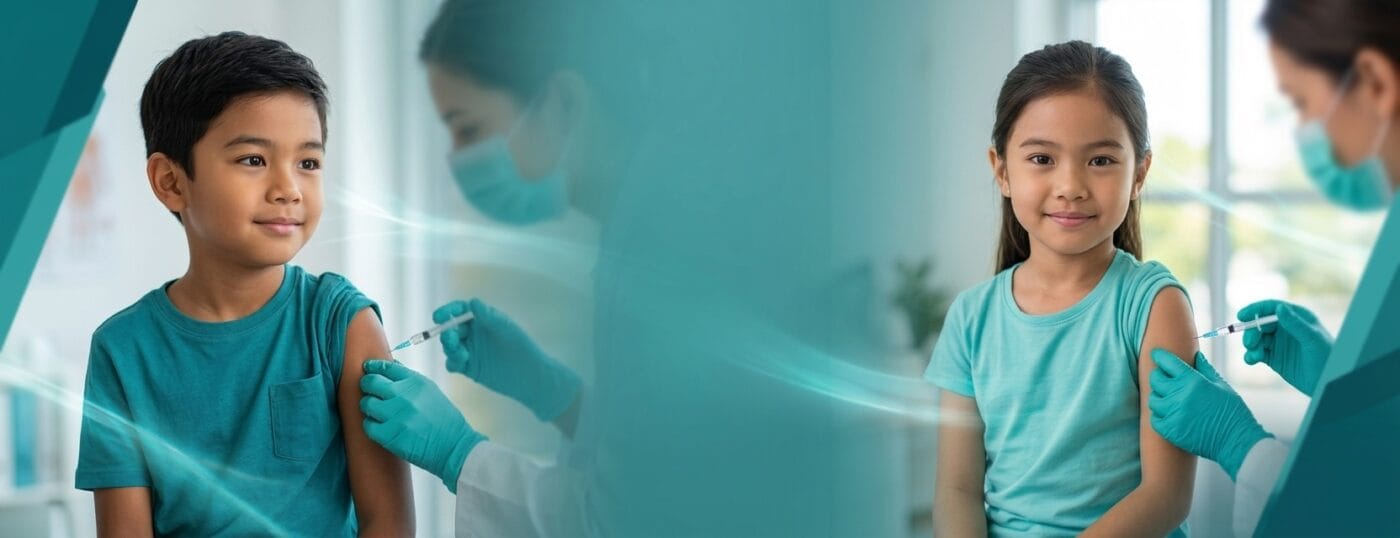
HPV Vaccination Philippines: Protect Yourself from Cervical Cancer
Cervical cancer is one of the few cancers that can be prevented—yet it continues to affect thousands of Filipino women every year.
The main cause is the Human Papillomavirus (HPV), a very common infection that many people may not even know they have. In most cases, it has no symptoms in the early stages, but over time, it can silently develop into cervical cancer.
Through HPV vaccination, you can protect yourself before cancer even begins.
👉 Prevention starts before symptoms appear.
👉 Prevention starts early—before exposure to HPV.
In the Philippines, where screening rates remain low and many women are diagnosed late, vaccination offers a powerful opportunity to stop cervical cancer before it starts.
Every day, around 12 Filipino women lose their lives to cervical cancer—a disease that is largely preventable.
HPV vaccination is one of the most effective ways to change that story.
What is the HPV Vaccination?
HPV vaccination protects against the Human Papillomavirus (HPV), the main cause of cervical cancer. It works by preventing infection before exposure and is most effective when given at a young age.
👉 This increases chances of appearing in Google snippet
What is the HPV Vaccine?
The HPV vaccine protects against the Human Papillomavirus (HPV)—the main cause of cervical cancer.
- HPV is very common and spread through skin-to-skin contact
- Most people will be exposed at some point in their lives
- Some HPV types can lead to cervical cancer over time
👉 The vaccine helps your body build protection before exposure happens
The HPV vaccine prevents infection, but it does not treat existing HPV.
That’s why timing matters.
Who Should Get The Vaccine?
The vaccine is recommended for:
- Girls and young women
- Boys (to reduce transmission and protect against other HPV-related cancers --> Oral and Throat Cancer, Penile and Anal Cancer.)
- Women who have not yet been vaccinated
👉 Even if you are already sexually active, vaccination may still provide protection.
Recommended Age Groups
- Ages 9–14 → Best time (before exposure)
- Ages 15–26 → Strongly recommended
- Ages 27 and above → Can still benefit (consult your doctor)
👉 The earlier the vaccination, the better the protection.

Types of HPV Vaccine?
Understanding the Types of HPV Vaccines Available
There are three types of HPV vaccines available, each designed to protect against specific HPV strains.
| Vaccine | HPV Types Covered | Includes HPV 52? | Approx Protection vs Cervical Cancers* |
|---|---|---|---|
| Quadrivalent (Gardasil 4) | 6, 11, 16, 18 | No | ~70% historically (varies) |
| Bivalent (Cervarix) | 16, 18 (+ some cross-protection) | No | ~70% historically (varies) |
| Nonavalent (Gardasil 9 vaccine) | 6, 11, 16, 18, 31, 33, 45, 52, 58 | Yes | ~90%+ of cervical cancers (model est.) |
1. Bivalent Vaccine (HPV 2)
- Covers: HPV 16 and 18
- Brand: Cervarix
- Protection: Focused on the two most common cancer-causing types globally
2. Quadrivalent Vaccine (HPV 4)
- Covers: HPV 6, 11, 16, and 18
- Brand: Gardasil 4
- Protection:
- HPV 16 & 18 → cervical cancer
- HPV 6 & 11 → genital warts
👉 This is commonly used in government vaccination programs in the Philippines.
3. Nonavalent Vaccine (HPV 9)
- Covers: HPV 6, 11, 16, 18, 31, 33, 45, 52, and 58
- Brand: Gardasil 9 vaccine
👉 This provides the broadest protection currently available

HPV Vaccination Philippines: Why Broader Protection Matters for Filipinas
Recent Philippine data is changing how we understand HPV risk.
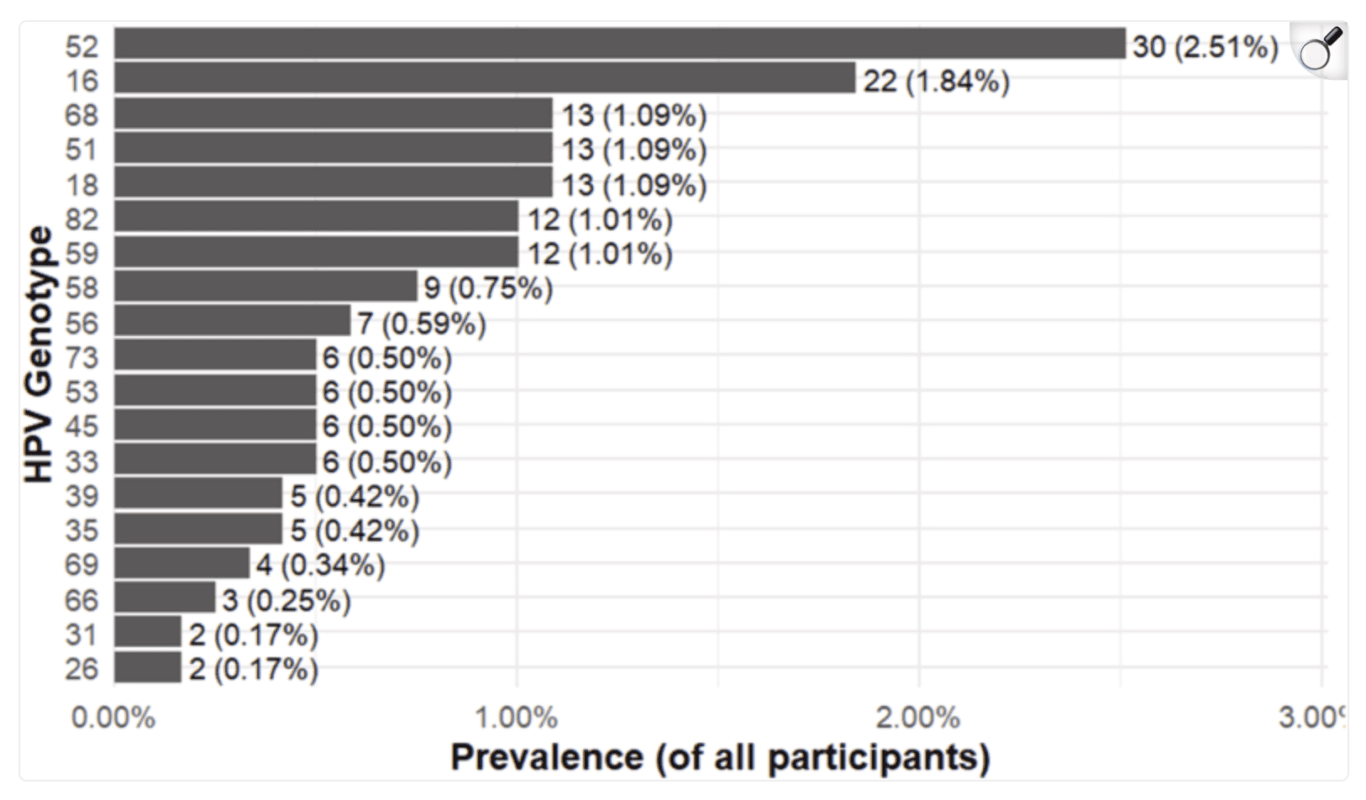
A large community-based study involving women from Tondo, Manila and Naic, Cavite found that:
- 👉 1 in 7 Filipinas may be infected with HPV
- 👉 Many women carry multiple HPV types
- 👉 The most common high-risk type found was HPV 52
This is important because:
👉 HPV 52 is NOT covered by HPV 2 and HPV 4 vaccines
If a vaccine does not include the HPV types circulating in the community, protection may be incomplete.
Educational Explanation
Earlier vaccines were designed based on global data where HPV 16 and 18 were the most common.
But as newer local data shows:
- Other high-risk types like HPV 52 are now increasingly seen
- Many infections occur without symptoms
- Some may progress silently over years
CerviQ Recommendation
Based on emerging local data and evolving patterns of HPV infection in the Philippines:
👉 CerviQ recommends the use of broader-coverage vaccines, such as the nonavalent HPV vaccine (Gardasil 9), when available.
This is because it:
- Covers more high-risk HPV types, including HPV 52
- Provides wider protection for Filipinas
- Aligns with the goal of improving prevention in the local setting
To maintain credibility:
All HPV vaccines provide protection and are important tools in preventing cervical cancer.
The best vaccine is the one that is available and accessible to you.
.
Prevalence of different High Risk (HR) HPV genotype infections showing Type 52 is the most common HPV type in the Philippines.
Personal Insights on HPV
Is HPV Vaccine Expensive Philippines? A Doctor’s Honest Perspective
Is HPV Vaccine Expensive – And Why Cervical Cancer Costs More. Every time I discuss [...]
08
May
May
How Much is Gardasil 9 Vaccine Price in the Philippines? (Real Cost + Doctor’s Insight)
The Real Price of Gardasil 9 Vaccine Price in the Philippines When Gardasil 9 vaccine [...]
03
May
May

Frequently Asked Questions
What is HPV and why is it important?
HPV (Human Papillomavirus) is a very common virus that is mainly spread through skin-to-skin contact. Most people may get HPV at some point in their lives.
Some types of HPV can cause cervical cancer, while others can cause genital warts. The infection often has no symptoms, which is why prevention is important.
What does the HPV vaccine do?
The HPV vaccine helps your body build protection against the types of HPV that can lead to cervical cancer and other diseases.
👉 It prevents infection, but it does not treat existing HPV.
Who should get the HPV vaccine?
The HPV vaccine is recommended for:
- Girls and young women
- Boys (to reduce transmission and protect against other cancers)
- Adults who have not yet been vaccinated
👉 Even if you are already sexually active, you may still benefit from vaccination.
What is the best age to get vaccinated?
- Ages 9–14 → Best time (before exposure to HPV)
- Ages 15–26 → Strongly recommended
- 27 years old and above → May still benefit; consult your doctor
👉 The earlier the vaccination, the better the protection.
What are the different HPV vaccines available?
There are three types:
- HPV 2 (Cervarix) – protects against HPV 16 and 18
- HPV 4 (Gardasil 4) – protects against HPV 6, 11, 16, and 18
- HPV 9 (Gardasil 9) – protects against 9 HPV types, including 52 and 58
👉 The nonavalent vaccine (HPV 9) offers the broadest protection.
Why is Gardasil 9 Vaccine recommended by CerviQ?
Recent Philippine studies show that HPV 52 is now among the most common high-risk types found in Filipinas.
👉 HPV 52 is not included in HPV 2 and HPV 4 vaccines.
Gardasil 9 includes HPV 52 and other high-risk types, providing wider protection based on current local data.
Is the HPV vaccine safe?
Yes. HPV vaccines have been studied extensively worldwide and are considered safe and effective.
Common side effects are mild and may include:
- Pain at the injection site
- Mild fever
- Fatigue
How many doses are needed?
- Ages 9–14 → 2 doses
- Ages 15 and above → 3 doses
Your healthcare provider will guide you on the schedule.
How much does HPV vaccination cost in the Philippines?
In private clinics, the cost is usually:
👉 Around ₱3,000 – ₱5,000 per dose
Some LGUs offer free vaccination for selected age groups (usually Grade 4 students).
If I am vaccinated, do I still need screening?
Yes.
👉 The HPV vaccine does not protect against all HPV types
👉 Screening helps detect early changes if they occur
Vaccination + Screening = Best protection
Can HPV infection go away on its own?
Yes, many HPV infections clear naturally.
However:
- We cannot predict who will clear the virus
- Some infections may persist and lead to cancer over time
👉 That’s why vaccination and screening are both important
What if I already have symptoms?
If you experience:
- Bleeding after intercourse
- Abnormal vaginal bleeding
- Persistent discharge
👉 Seek medical consultation immediately
Vaccination is preventive, not a treatment for symptoms.
Where can I get HPV vaccination?
HPV vaccines are available in:
- Private clinics and hospitals
- Some government health centers
- Selected community programs
👉 You may contact CerviQ to learn about available options near you.
HPV Vaccination Philippines: Key Takeaways
-
- HPV causes most cervical cancers
- Vaccination prevents infection
- Gardasil 9 Vaccine offers broader protection
- Screening is still needed after vaccination
“The best protection is prevention. The best time is now.”

Ready to Book Your Gardasil 9 Vaccination?
Every day, around 12 Filipino women lose their lives to cervical cancer—a disease that is largely preventable.
HPV vaccination is one of the most effective ways to change that story.