
Affordable Cervical Cancer Screening Philippines | Speculoscope-Assisted VIA (Cervical Cancer Screening)
See Earlier. Detect Better. Save Lives.
Cervical cancer is one of the few cancers that can be prevented and detected early—but only if screening is done before symptoms appear.
CerviQ uses Speculoscope-assisted VIA (Visual Inspection with Acetic Acid) —an enhanced approach that improves traditional screening through better visualization, digital imaging, and remote evaluation.
Also referred to as CerviQscope™ (patent pending), this technology is currently under development as a standardized tool for cervical imaging.
Understanding Cervical Cancer: Why Screening Matters
Most cervical cancers begin with infection by the Human Papillomavirus (HPV)—a very common virus that many women are exposed to at some point in their lives.
In most cases, the body clears HPV naturally. However, in some women, the virus persists and gradually causes changes in the cells of the cervix.
👉 These changes develop very slowly—over 10 to 20 years
During this time:
- There are no symptoms
- The condition is not felt or noticed
- Women may believe they are completely healthy
This is why cervical cancer is often called a “silent disease” in its early stages.
By the time symptoms appear—such as abnormal bleeding, bleeding after intercourse, or persistent discharge—the disease may already be more advanced.


How Speculoscope-Assisted VIA Works
-
- A doctor / trained health worker performs a cervical examination
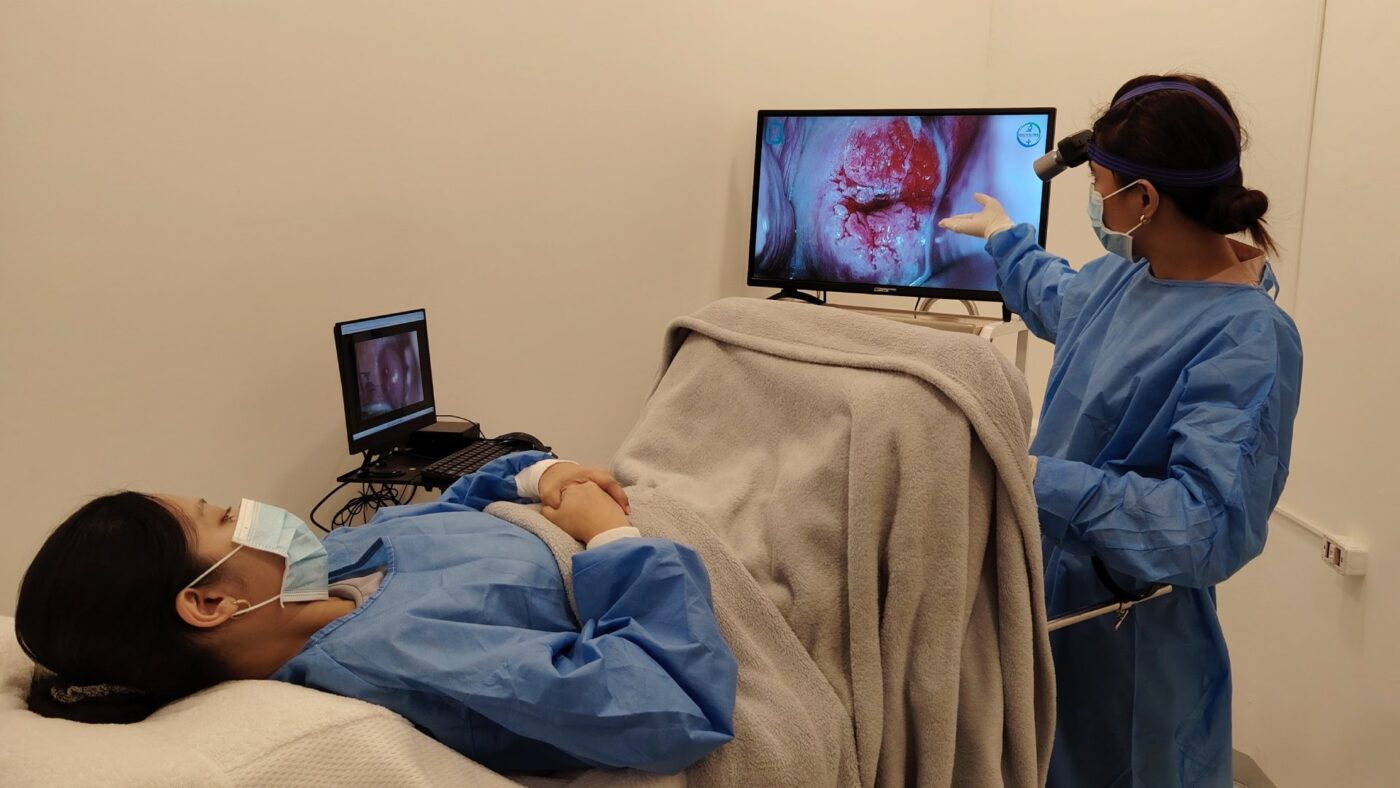
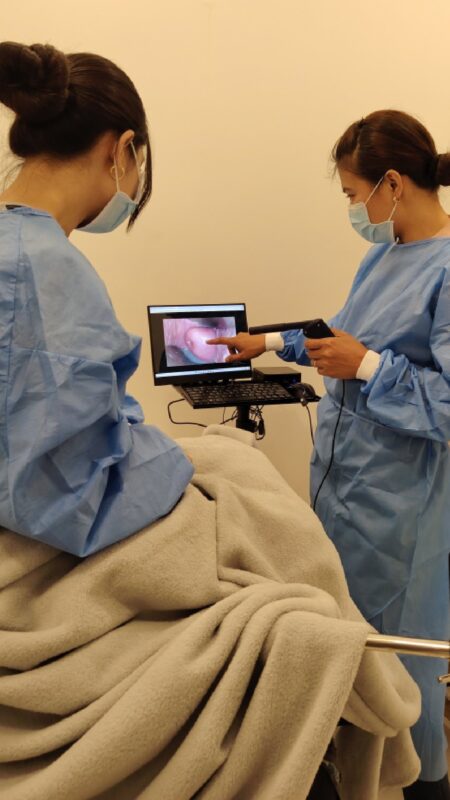
- The cervix is visualized using a speculoscope device with enhanced light and magnification
- Acetic acid is applied to highlight abnormal areas
- Images are captured and documented
- These can be:
- Reviewed immediately
- Or sent for remote doctor evaluation
- Patients receive results, recommendations, and referral if needed

What Makes This Different?
Traditional VIA relies on the naked eye.
Speculoscope-assisted VIA enhances this by:
- ✔️ Providing clearer, magnified visualization
- ✔️ Enabling standardized image capture
- ✔️ Allowing digital documentation and follow-up
- ✔️ Supporting remote expert evaluation
- ✔️ Improving accuracy and consistency
Who Should Get Screened
- Women aged 25 to 65 years old
- Women who have had sexual contact
- Women who have never been screened before
- Women due for routine screening

Part of a Complete Care System
Speculoscope-assisted VIA is not just screening—it is part of a complete cervical cancer prevention system:
- HPV Vaccination (prevention)
- Screening (Speculoscope-assisted VIA / HPV testing)
- Painless Bloodless Cervical Soft Biopsy (Histologics)
- Treatment to Precancerous Cells (Thermal Ablation)
- Referral to partner hospitals (e.g. JRRMMC)
- Ongoing monitoring and follow-up
Where This Is Available
- LGU programs (Santo Tomas, Cuenca, Marikina)
- Partner clinics (e.g. Health Screen Laboratory)
- Outreach and workplace screening programs
Why Early Screening Matters
Waiting for symptoms is often too late.
Early detection allows:
- Simpler treatment
- Lower cost
- Better outcomes
- Prevention of cancer progression

Speculoscope Assisted VIA @ Department of OB-Gyne, Section of Gyne Onco, Jose R. Reyes Memorial Medical Center

Speculoscope Assisted VIA @ City of Santo Tomas, Batangas

Speculoscope Assisted VIA @ City of Marikina, City Health Office

Frequently Asked Questions
What are early signs of cervical cancer?
Early cervical cancer often has no symptoms, which is why screening is very important.
However, warning signs that should not be ignored include:
- Bleeding after sexual intercourse
- Abnormal vaginal bleeding (between periods or after menopause)
- Persistent vaginal discharge (especially foul-smelling or unusual in color)
- Pelvic or lower abdominal pain
⚠️ If you experience any of these symptoms, seek medical consultation immediately—even if your risk score is low.
Who should get screened for cervical cancer?
Women aged 25 to 65 years old should undergo regular cervical cancer screening.
You should prioritize screening if you:
- Have ever been sexually active
- Have never been screened before
- Have multiple sexual partners (or partner with multiple partners)
- Have symptoms such as abnormal bleeding or discharge
- Are immunocompromised (e.g., HIV, long-term illness)
In the Philippines, screening is especially important because most women are not screened regularly, leading to late diagnosis.
Is cervical cancer preventable?
Yes—cervical cancer is one of the most preventable cancers.
Prevention is possible through:
- HPV vaccination (ideally before sexual activity, but can still benefit adults)
- Regular screening (VIA, Speculoscope-Assisted VIA, HPV DNA testing, or Pap smear)
- Early treatment of pre-cancerous lesions
With proper prevention and early detection, cervical cancer can be stopped before it becomes life-threatening.
How often should I get screened for cervical cancer?
Screening frequency depends on the method used:
- Speculoscope-Assisted VIA (Visual Inspection with Acetic Acid): every 3 years
- VIA (Visual Inspection with Acetic Acid): every 3 years
- Pap smear: every 3 years
- HPV DNA test: every 5 years
Your doctor may recommend earlier or more frequent screening if:
- You have symptoms
- You had abnormal results before
- You are at higher risk
👉 If you have never been screened, the best time to start is now.
Cervical cancer is preventable—but only if detected early. If you’re unsure about your risk, start with the free risk check above and take the first step toward protecting your health. BOOK NOW