
Ending Cervical Cancer in the Philippines Starts Here
Cervical cancer is one of the few cancers that can be prevented, detected early, and treated effectively—yet in the Philippines, women continue to die from a disease that should no longer take lives.

CerviQ – End Cervical Cancer Philippines Organization Inc. was founded with a clear mission:
To make cervical cancer prevention accessible, scalable, and sustainable—especially for underserved communities.
The Story Behind CerviQ
CerviQ was born from both clinical reality and personal awakening.
As a radiation oncologist practicing since 2005, Dr. Jesus Randy “Bogs” Rivera witnessed firsthand the devastating impact of late-stage cervical cancer—patients arriving too late, when treatment options were limited and outcomes uncertain.
👨⚕️ Meet the Founder
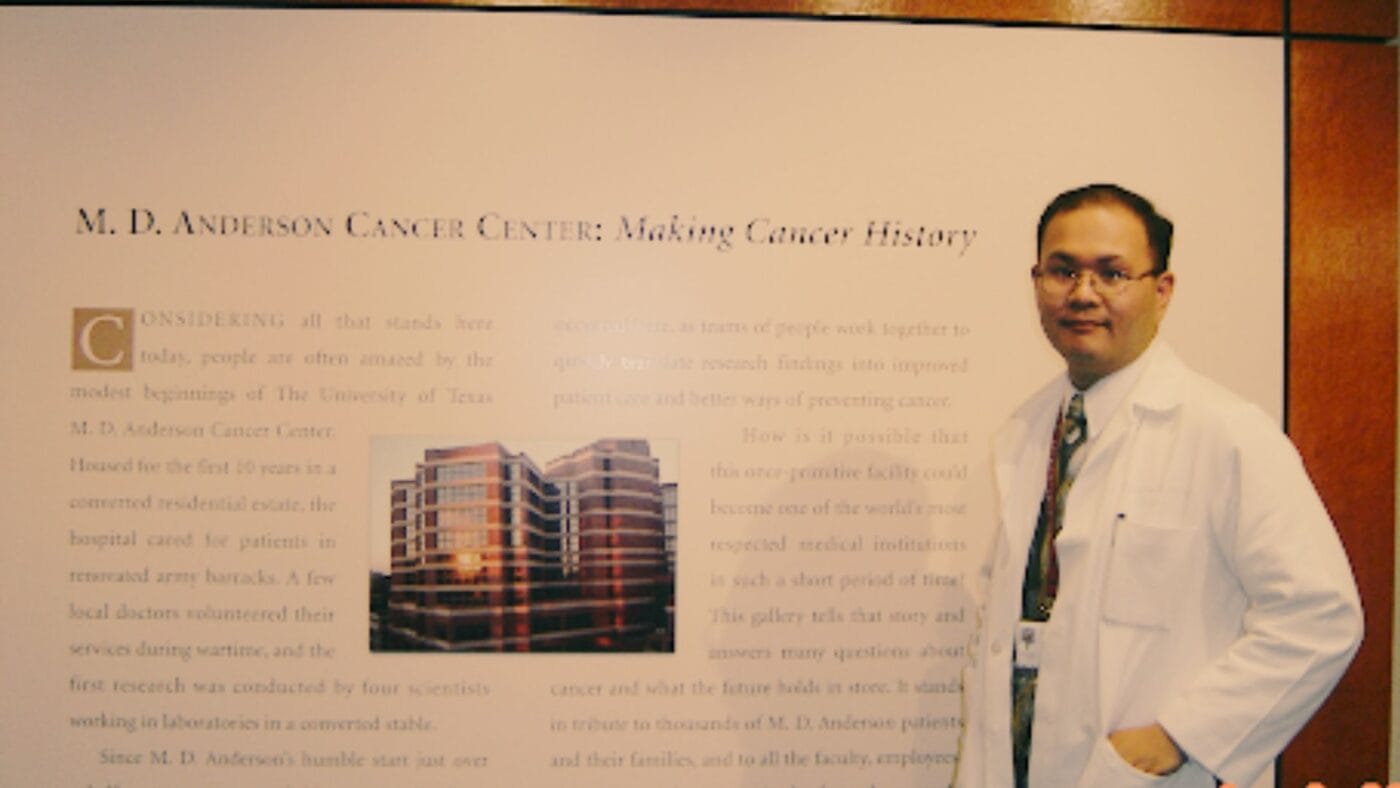
Dr. Jesus Randy “Bogs” Rivera is a Philippine Radiation Oncologist and public health advocate dedicated to transforming cervical cancer prevention in the Philippines.
Trained in advanced radiation techniques including IMRT and prostate brachytherapy at globally recognized institutions such as MD Anderson Cancer Center, Chicago Prostate Center, and El Camino Hospital, he brings a strong foundation in precision oncology and evidence-based cancer care.
Beyond clinical practice, he founded CerviQ (End Cervical Cancer Philippines Organization Inc.) to address one critical gap: the lack of accessible, scalable cervical cancer screening for Filipino women.
Today, he leads national initiatives that integrate speculoscope-assisted VIA, digital health systems, and the development of the Philippine Cervical Image Bank in collaboration with the Department of Science and Technology – Advanced Science and Technology Institute—paving the way for the country’s first AI-assisted cervical cancer screening system.


By 2017, a critical question emerged:
“How do we stop women from dying from a preventable disease?”
This question led to early experimentation—developing a simple but powerful idea:
- A midwife captures an image of the cervix
- Sends it to a doctor
- Receives real-time evaluation
What started as a concept using mobile phones evolved through trial, failure, and persistence.

From Setbacks to Breakthroughs
The journey was far from easy.
- Early technology partnerships failed due to cost and sustainability challenges
- Foreign AI-based systems became financially unviable due to rising costs
- COVID-19 halted initial screening efforts
But the turning point came in 2021.
While battling severe COVID-19 and facing a life-threatening condition, Dr. Rivera experienced a moment of clarity:
“If given another chance, I will dedicate my life to saving more lives.”
From that moment, CerviQ was no longer just an idea—it became a mission.
A New Approach to Cervical Cancer Prevention
CerviQ developed a Filipino-built solution designed for real-world conditions:
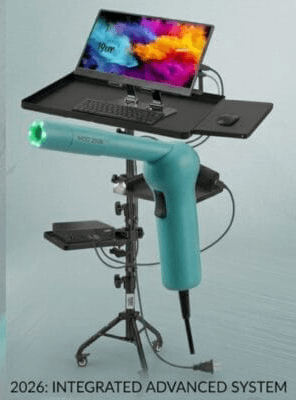
🔬 Speculoscope-Assisted VIA Screening
A locally developed device that enables:
- Consistent image capture
- Standardized visualization
- Scalable screening across communities
📡 Digital & Telemedicine Integration
- Real-time or offline image capture
- Upload when connectivity is available
- Remote doctor evaluation (tele-evaluation system in development)
🧠 AI & National Cervical Image Bank
In partnership with DOST-ASTI, CerviQ is helping build:
- Millions of standardized images
- Linked with biopsy-confirmed cases
- Foundation for the country’s first AI-assisted cervical screening system


🏥 Screen-and-Treat Model
CerviQ enables immediate care through:
- Thermal ablation for eligible cases
- Cervical Soft Biopsy for improved tissue sampling
- Remote doctor annotation for guided treatment



FOOD FOR THOUGHT
“If we don’t act now, deaths from cervical cancer will rise almost 50% by 2040.”
Dr. Tedros Adhanon Ghebreyesus
WHO Director General
WHAT WE DO
CerviQ delivers a comprehensive cervical cancer prevention program:
- Cervical Screening (Speculoscope-Assisted VIA)
- HPV Awareness & Education
- HPV Vaccination Advocacy
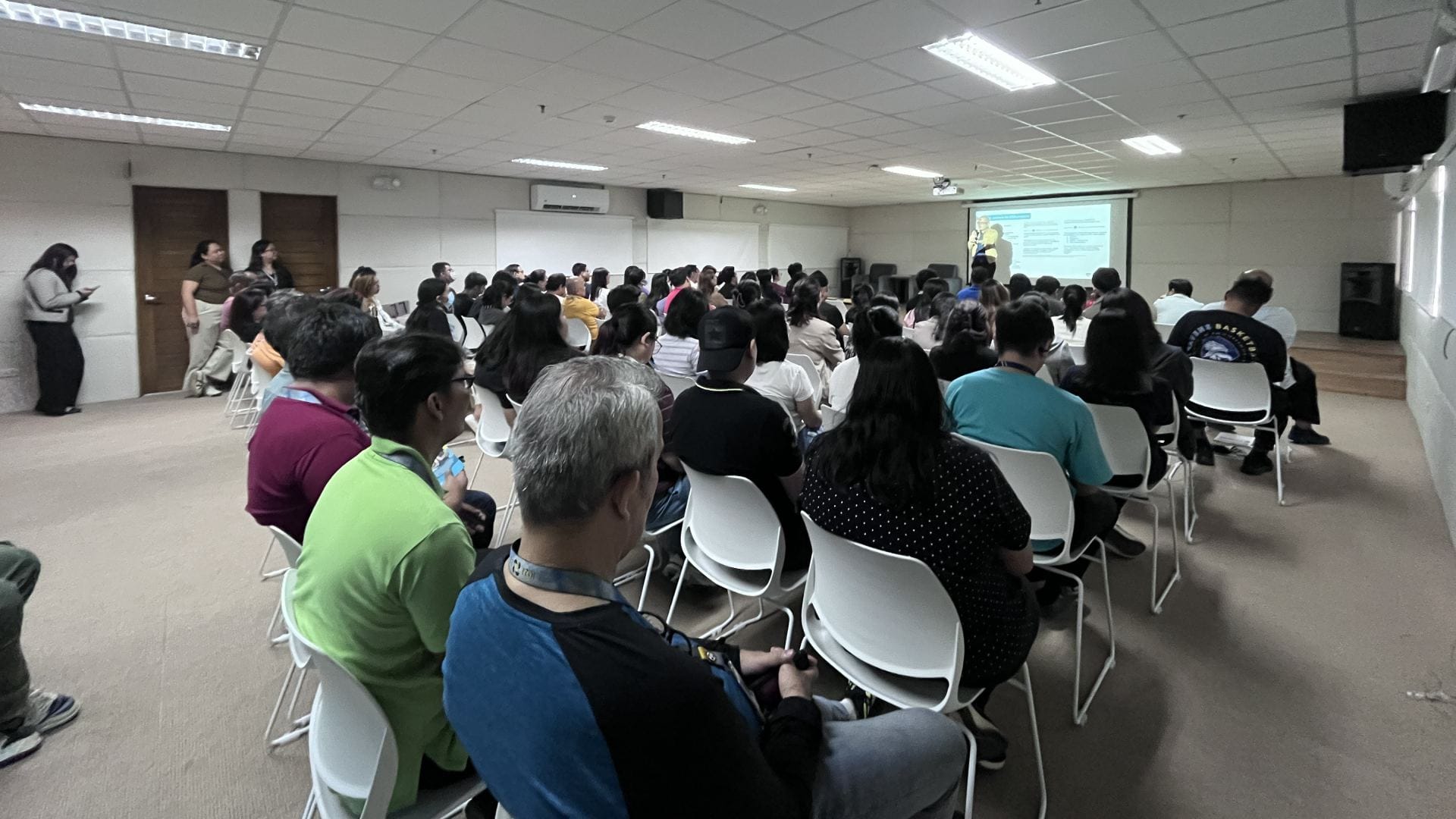
- Training for Midwives, Nurses, and LGUs
- Early Treatment (Thermal Ablation & Biopsy)
- Digital Health & Telemedicine Integration

Our Impact So Far
CerviQ has worked with multiple stakeholders across the Philippines:
📍 LGU Implementations
- Santo Tomas, Batangas
- Cuenca, Batangas
- Marikina City
- And expanding nationwide


🤝 Key Partnerships
- Department of Science and Technology – Advanced Science and Technology Institute – AI development & image bank
- ParasaKanya PH (Developmental Scholars from the University of California San Diego)– economic research
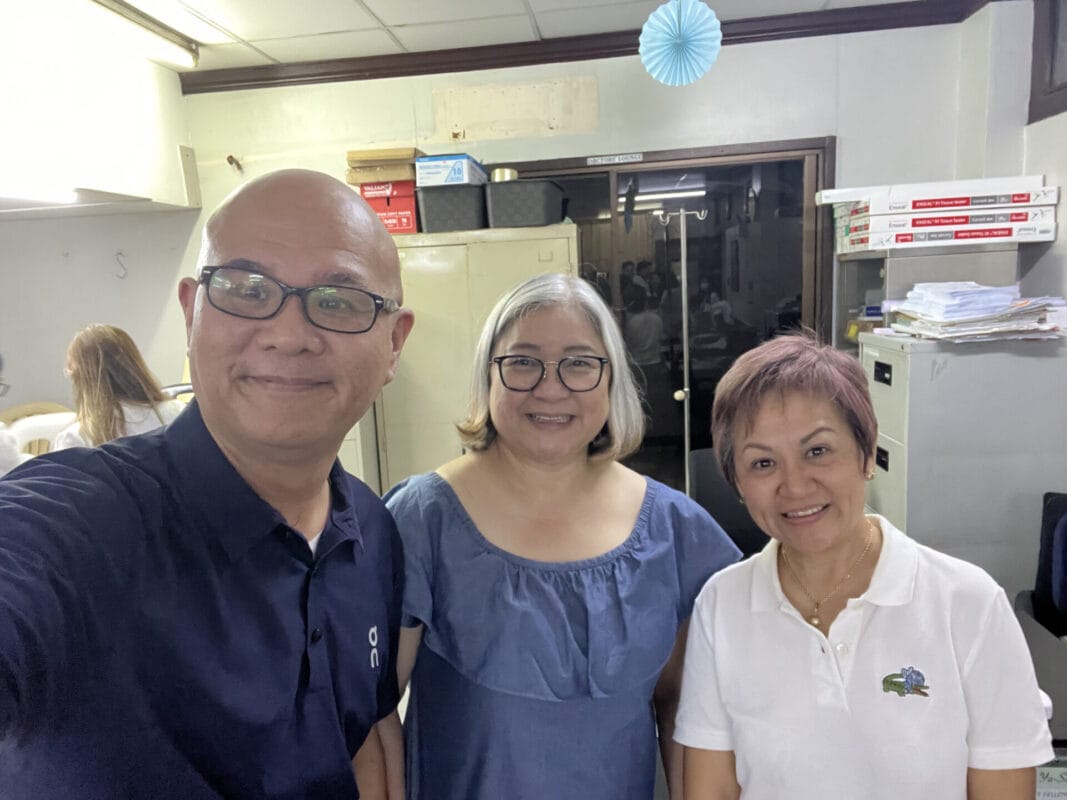
- Jose R. Reyes Memorial Medical Center (JRRMMC) – clinical research


🎤 Advocacy & National Engagement
- AI Against Cervical Cancer (annual initiative)
- Women’s Month nationwide campaigns
- Multi-sector collaborations with NGOs, schools, and government


MISSION
“To eliminate cervical cancer in the Philippines by making screening, early treatment, and prevention accessible to every community through innovation, training, and partnerships.”
VISION
“A Philippines where no woman dies from a preventable cervical cancer.”
WHAT WE’VE LEARNED
Technology alone is not enough.
CerviQ recognized that barriers to screening include:
- Lack of awareness
- Fear and stigma
- Misconceptions about HPV
- Financial limitations
Which is why CerviQ focuses on:
Community education + accessible screening + system-level solutions
OUR VISION
In the next 3–5 years, CerviQ aims to:
- Establish a nationwide cervical screening network
- Make speculoscope-assisted VIA a standard tool in primary care
- Support HPV DNA testing through triage systems
- Build a national training ecosystem for healthcare providers
- Power the Philippines’ first AI-assisted cervical cancer screening system
- Create a sustainable, locally built healthcare model
WHO WE SERVE
CerviQ works with:
- Local Government Units (LGUs)
- Hospitals and Clinics
- Schools and Universities
- Corporate Organizations
- Non-Government Organizations
- Communities and Patients
A CALL TO ACTION
Cervical cancer can be eliminated.
But it requires:
-
-
- Awareness
- Access
- Innovation
- Collaboration
-
CerviQ is building that system—one community at a time.